Winding Down After 35 Years

Thirty-five years ago, I stepped into my first classroom at Deer Valley HS with a mix of excitement and maybe a little bit of terror. It was a high school classroom after all. Teenagers are scary. I had my lesson plans meticulously typed (on actual paper, mind you), and I was raring to go. Today, as I begin the process of winding down my career, I find myself reflecting on the moments, big and small, that have made this journey unforgettable.

When I started teaching, the idea of an online class seemed about as futuristic as video calls, making calls with your watch, and flying cars. Remember the Jetsons!? Over the years, I’ve adapted to hybrid learning, digital platforms, and yes, even Instagram and Twitter posts for assignments. From overhead projectors and chalkboards to Smartboards and AI-powered tutoring, the landscape of education has transformed in ways I never could have predicted. I remember sitting on a desk with a bunch of other faculty at Westwood HS in 1993 discussing the World Wide Web and how it could possibly change education. Wow! We had no idea!

Educause 2007 Alisa and Mary Jane Onnen

There have been moments of brilliance, moments of comedy, and moments of sheer chaos in those 35 years. And somewhere along the way, I became part-instructional designer, part-IT support, and part-time coach. Who knew that I’d one day be troubleshooting WiFi issues while also trying to explain the nuances of APA documentation. Even in a digital world, nothing replaces a well-timed pep talk, an encouraging email, or a spontaneous laugh shared over a technical glitch. “Just turn it off and restart that computer.” That used to fix it every time.

I’ve learned that students are more engaged when they feel heard, whether that’s through a discussion board post at 2 a.m. or an impromptu debate over whether a particular sentence is a run-on or not. Who argues with their English teacher about that? Navigating the world of Zoom, breakout rooms, and “Can everyone hear me?” moments has been a learning curve, but one that ultimately expanded the reach of education way before Covid.

I will miss the energy of a classroom deep in discussion, the playful groans when I announce a group project, and the pride in a student’s eyes when they realize they’ve written something truly great. I’ll miss the camaraderie of my colleagues and the sense of being part of something bigger than myself. Teaching has never been just a job; it’s been a calling, a community, and sometimes, let’s be honest, a bit of a circus. But I’m not done yet. I think I’ll stick around for at least one more year and give “just teaching” a try. No leading a committee, no painfully maneuvering through a software purchase, no trainings, no leading ecourses. Just teaching.

Janus’s Door

by JL Woolgar

My doorway is the metaphoric kind. I’m a temp in A&R at our North campus. One of my most important tasks is greeting new and potential students.

In a demographic where many of our students had/have a mother figure with the resources to stay home with their children, we have noted that some students require a more nurturing environment than expected. Fortunately, we are afforded this luxury at North due to our lower population of students.

From my doorway, each student is greeted with a warm smile and an invitation to sit down. This disarms a nervous student. It seems these students are a little more open to learning what I have to teach once they feel safe and get their bearings a bit. For many of these students, it’s the first time they have control over their education, a powerful and inspiring shift.

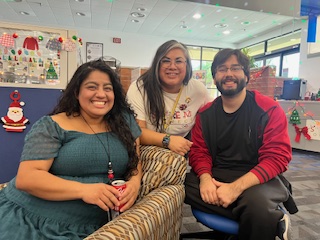
Two of North’s student temp workers, Andy Orosco and Warloli Hevi

For another lot of these students, they still do not.

We have a lot of parents accompanying the student to register, receive guidance, and enroll. These students can be adults or otherwise. The parent speaks in a lot of cases. They are also a significant part of decision-making during this process.

Through my doorway, the student is addressed and encouraged to speak for themselves. I have seen first-hand instantaneous empowerment when this theory is applied. They sit up straighter and offer more eye contact. The expression on their faces turns from disinterest and dread to engagement and excitement, a testament to the transformative influence of student empowerment.

Some parents are reluctant to let go of control over their children’s lives. They may even express their discomfort to me. It’s natural for a parent to have doubts about their children’s ability “to adult.” In particular, the student who has been closely guided through their formative years.

Inside my doorway, their concerns are gently addressed as well.

It’s controversial to handhold for a college student. Along with literature and history, we teach personal responsibility, and handholding doesn’t seem conducive to our goal of each student achieving independence. However, I see it as a transfer of power so-to-speak. After this, students such as these feel the freedom to take that power back on their own.

For many of these students, it’s the first time they have control over their education, a powerful and inspiring shift.

These students may feel like this is easier than taking their power from those who gave life and allowed for this comfortable first 18 years. This is where a student can also enjoy the magical discovery that knowledge leads to independence. And that knowledge itself is power.

My background is in the spa industry. I won’t presume to know the science and art behind education, but I know how to make people comfortable and allow them to relax. We all need to be assured relaxation is okay at any particular moment. A consequence of productivity expectations, I suppose. It’s an expectation of any progressive society, but it doesn’t encourage an expectation of openness and vulnerability. Two things that could contribute to effective learning, I would imagine.

While these ideas are apparent and second nature to those with education and experience in academia, it was fun to discover these things on my own. To think all those years of giving massages, removing regretful tattoos, and making America beautiful one facial at a time would be training for welcoming young men and women into one of the most thrilling phases of their lives. What a delightful honor I feel, here, inside my metaphorical doorway.

Milestones Define the Student Journey

The student educational journey is filled with important milestones and new thresholds that they pass on a regular basis. It’s our job as educators to help them navigate each new step. So, let’s have a frank conversation about what that even means to us as Student Success professionals.

At the community college, students come to us from all stages in their lives. We encounter the new-to-college student who just turned 18, experiencing adulthood for the first time, all the way to seasoned adults coming back to reeducate for a new career or promotion. No matter where they come from or at what stage of life they are in, every single one of them is looking to us to help them navigate these milestones. The million-dollar question is always: How?

The simplest answer is, there isn’t one way. Years of student service tells us that national best practices and strategies in student success always comes down to the amount of human interaction we can give to our students. What makes a Guided Pathway model so successful is not just the concept of gathering similar academic programs into one cohesive group, it’s the experience the student has with the advisor in that area who helps them to explore their options. The online FAFSA form students and their parents can fill out within minutes isn’t what helps them to feel confident in their ability to fund their education, it’s the financial aid representative that takes the time to explain the process. Even early alert systems with their ability to help us flag students in crisis are meaningless without the person reaching out to the student to discuss their issues. Academia is great at thinking up innovative strategy to approach student success, but each student and their journey is unique. Implementing strategy is never enough, it inevitably comes down to the that one person on campus interacting with the student, that often times yields the best results.

Like I said before, the student’s journey is a collection of milestones and thresholds. They encounter something new in almost every step of the way. When we work with a student it’s our job to assess in that moment where the student is coming from, what is the issue, and how best can we help. Active listening is paramount to understanding and allowing the student to fully explain or express their questions or concerns before we start telling them the solution. Listening is essential to not only giving the most accurate info, but to also validate who they are and what they are dealing with. In our experience, most students, when they walk into our spaces seeking our help, are just looking for that connection. They are more than ok when we tell them we don’t have an answer for them. Often times our best tool is to sit and listen. Getting to know our students is the first step in providing the right kind of help at the right time.

As a rule, we encourage our students to come back and see us multiple times a semester, not because we feel they need tracking, but because we get to know them and vice versa. Each visit is an opportunity to cultivate mutual respect and trust. Before long the student feels comfortable coming to us when they don’t understand something or encounter a new experience. Our relationship allows us to help them navigate in a way that makes sense and in a manner that makes sense. Which then equates to a better student experience overall. They aren’t intimidated by something new, because they know they have allies who can help them through it.

I challenge you to get to know your students, to evaluate your processes and put student learning and experience at the center of your decisions. Can we take our time during these interactions to allow for better understanding? Can we relate our own stories to help us connect to their experience? Can we remind ourselves that our interaction with our students is the purpose of our work?

Hold the Door, Please

When offered the prompt this week to write about doors as a metaphor in education, my mind immediately went to the doors I’ve seen on the Camino de Santiago, a thousand-year-old matrix of pilgrimage paths winding through Spain, Portugal, and France.

The doors I’ve encountered on the Camino have a magical quality, and I am often left wondering, “What is on the other side?”

Rabanal del Camino, Spain

This spring, GCC will graduate its first baccalaureate class of elementary and special education students. I had the honor of teaching their first-semester Educational Psychology course in fall of 2023, and this semester I am teaching the Professional Seminar course as these same students complete their student teaching.

As I think about it, so much of what I do is try to explain to these students what’s on the other side of the “teaching door.” I want to preview for them both the joys and pains that are part of this venerable profession. I want to flag potential pitfalls without scaring my students away. I want to share all the reasons why becoming a teacher was the best decision I ever accidentally fell into.

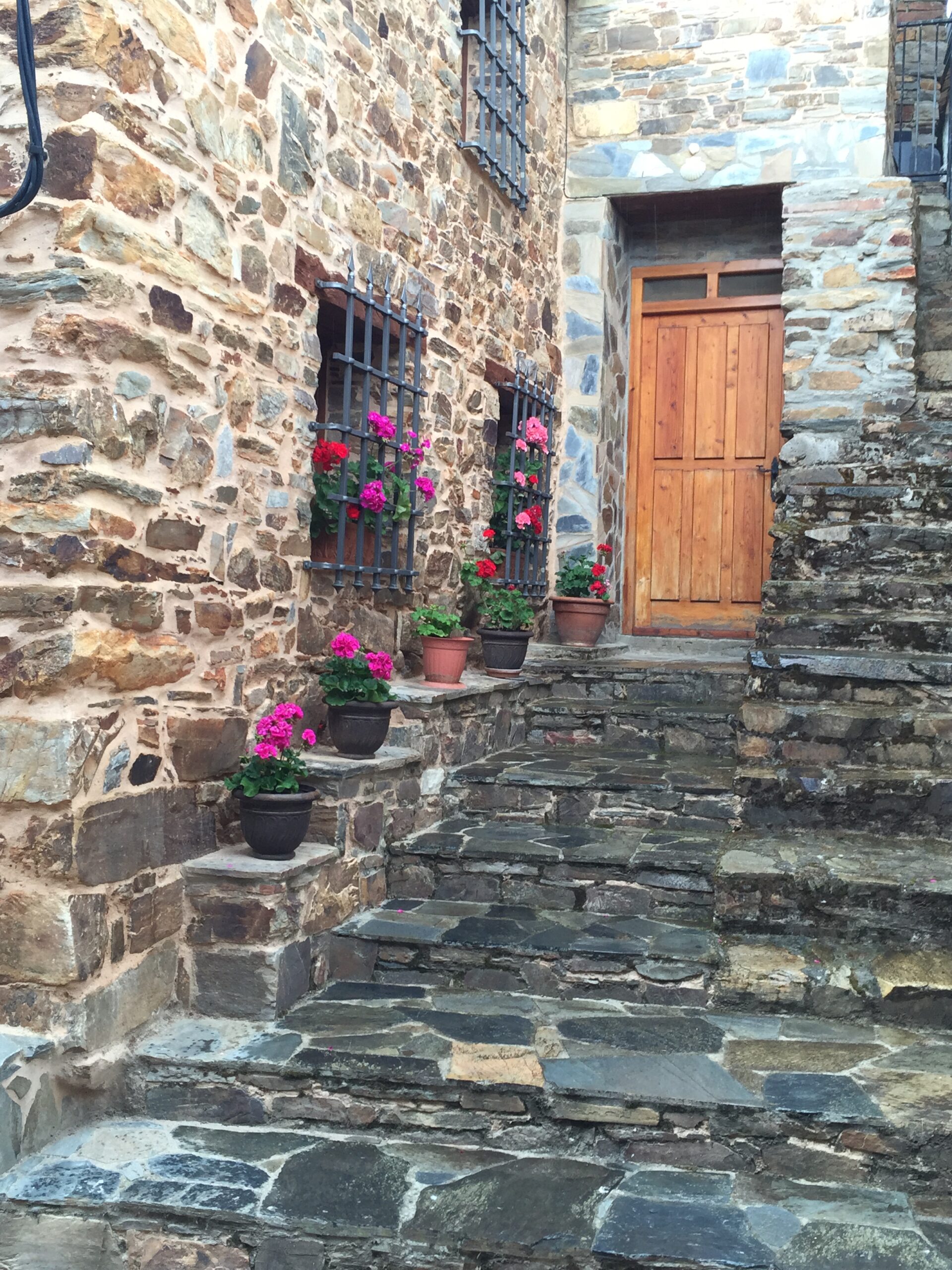
Very often, my students envision the door to the teaching world lined with roses, perhaps with a set of charming stone steps leading to their entry:

Riego de Ambros, Spain

And others have in mind a more slapped-together entrance like the doorframe of this iconic bar on the Camino:

El Ganso, Spain

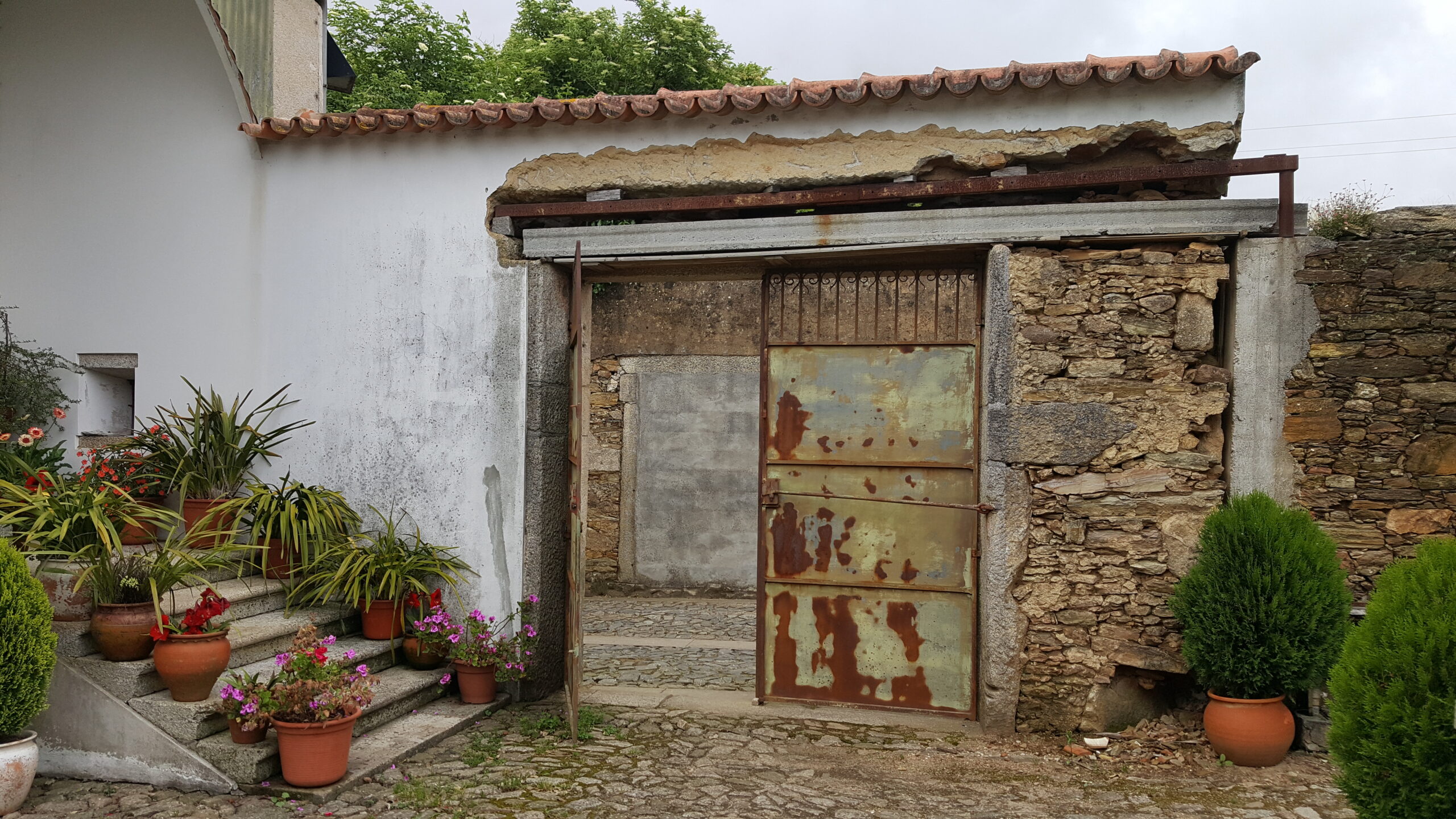
And still others envision a combination of whimsy and reality:

Povoa de Varzim, Portugal

But as much as I want to forecast for them what they might experience in their first years of teaching, they will only really know when they cross the threshold to their own classrooms.

By establishing a teacher preparation pathway, GCC has opened the door for many students who might not have otherwise sought teacher certification. (And what Heather Merrill and her team have done to create this opportunity for students is nothing short of magic!) As a result, we professors now hold the door for our soon-to-be graduates as they take over in the profession where some of us began many years ago.

May what these new teachers find on the other side of the classroom door be nothing less than the stuff of their teaching dreams!

Rabinal del Camino, Spain

Tacit Knowledge

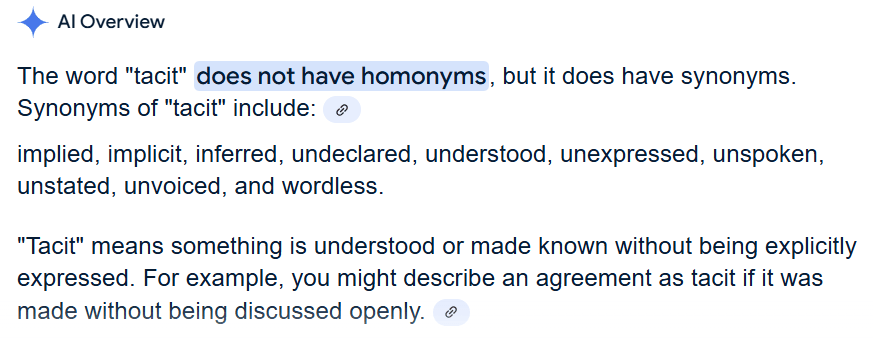
The funny thing about tacit knowledge is that you have to know what the word “tacit” means. Dale Carnegie tells us that it is good to share your inadequacies before you hand out advice. So here I am at the grand ole age of 56 and I had to lean on Siri for a good explanation of the word tacit. Maybe they just did not include that in my Irish elementary school curriculum.

I have officially attended three Literacy Partner-style trainings now, and have learned all about our expert dilemma of unconscious competence and how it affects the students we are teaching. It made sense to me that there are things that we inherently know and we forget to take the time to tell people how we arrived at this high state of knowledge. We might think “well, if they had XYZ class, or attended high school, they should just know. Right?”

Not so fast.

I doubled down on the blindspot training sessions, and I went back to my course assignments and fixed a few things that were not implicit in directions, rubrics and such. I scaffolded my lessons. I added more low stakes tests. Students were doing better on the high stakes assignments. I felt pretty good about the clarity I was providing.

What really turned on the light bulb for me, however, was not in addressing HOW I am teaching, but in HOW I CAME TO KNOW the information that I am teaching.

Ohhhhhhh! That totally makes sense now! And the lightbulb goes on!

When Dr. Michelle Yeo presented at the District Day of Learning about student blind spots, and tacit knowledge, the Literacy Partner training finally kicked in. I was not asking myself one basic question that changed everything. I was not asking myself how I came up with the necessary knowledge to problem solve in my field. I was simply trying to simplify with learning tools and steps.

An example of this tacit knowledge scenario is when my darling husband tries to simplify information for my benefit, he often repeats his information several times because it is clearly logical to him, and maybe I am just not hearing him correctly. We forget that we have years of life experiences, education and personal interests that brought us to this point. We have literally embodied the information that we assume others should know.

I will continue to contemplate this process of how I came to know things. I will practice using the word tacit in a sentence, and the next time someone uses it in a sentence I won’t have to pull out my phone and get distracted from the actual point of their message!


Designing My Ideal Entryway: A Space for All

As a big fan of renovation, I was ecstatic when given the opportunity to design an entryway. To me, an entryway should do more than serve as a passage—it should set the tone for the entire space, welcoming everyone who crosses its threshold. I wanted my entryway to embody four key principles: a welcoming atmosphere, inclusivity and accessibility, community and engagement, and a future-focused approach. It is important to note that I was dreaming big and made this more of a building on campus rather than a singular classroom. 

A Welcoming Atmosphere

The moment someone steps into the space, they should feel a sense of warmth and inspiration. High ceilings and ample natural light create an open, airy environment that invites people in. Vibrant murals would adorn the walls, encouraging thought, conversation, and curiosity. These artistic elements would not only beautify the space but also challenge visitors to think critically and engage with the environment in a meaningful way.

Inclusivity and Accessibility

A truly inclusive entryway must cater to the needs of all individuals. Seating would be available at various heights to accommodate different comfort levels, and designated spaces would allow for wheelchair accessibility. Additionally, built-in technological features, such as easily accessible charging stations and device-friendly seating areas, would ensure that everyone has the resources they need to stay connected and engaged.

Community and Engagement

An entryway should reflect the people who pass through it. To foster a strong sense of community, I would incorporate a dedicated gallery space showcasing student and faculty work. From research projects to faculty innovations, this area would celebrate the contributions of those who make the institution thrive. By highlighting their achievements, the entryway would serve as a hub of creativity and intellectual exchange.

Future-Focused Design

The future of education and community spaces lies in sustainability and technological integration. This entryway would feature digital resource kiosks, providing real-time updates on events and opportunities. Eco-friendly elements, such as living plant walls, energy-efficient lighting, and sustainable furniture, would emphasize a commitment to environmental responsibility. Natural light would further reduce the need for artificial lighting, creating a harmonious balance between innovation and sustainability.

By designing an entryway with these principles in mind, I aim to create a space that is more than just a doorway—it is an experience. A place that welcomes, includes, engages, and inspires all who step inside. Whether through art, accessibility, community, or sustainability, this entryway would reflect the values that matter most to me and the broader community it serves.

Walking the AI Tightrope with a Net(work) of Colleagues (Part 1 of 3)

For the past few years I’ve been looking at the role of artificial intelligence. As a teacher of critical thinking and English composition, I have lots of questions. I consider myself a real novice in this area. I’m reading a lot, but I’ve only really used Grammarly and ChatGPT.

I’ve wanted to share my questions and my process with my students, but I worried about the Pandora’s box. Will they stop thinking? Will they stop writing?

I’ve been fortunate to have colleagues to help me on this journey.

Michelle Petry, GCC librarian, is embedded in my ENG102 class and we plan together every two weeks. Michelle is the Library Liaison for Fitness and Wellness, and my contextualized courses are part of that FOI.

Last year I had the chance to evaluate some OER materials from MIT, and she helped look at them through the information literacy lens. We crafted some assignments to help students begin to ask questions about misinformation and disinformation. These worked well with the questions I used the first day in class to start the AI discussion:

  • What is artificial intelligence or AI?
  • What should I know as a student and as an informed citizen?
  • Why are companies investing billions of dollars in AI?
  • How can I use AI most effectively?

We’ve modified some ENG102 topic exploration assignments to actually ask ChatGPT questions. Students are now comparing database searches and ChatGPT transcripts as they identify key words related to the issue they’re exploring.

The final project in ENG102 is a reflection on the research exploration process. We’ve added AI and ChatGPT to the reflection topics.

Here are some student responses. Do you believe that they’re thinking critically? Let me know.

  • The only times I used ChatGPT for my scholarly investigation was during the Reflection on ChatGPT where I spent some time practicing with ChatGPT to see its capabilities and when trying to come up with keywords to input into my advanced search for sources. It’s a great place to start a scholarly investigation because it is able to come up with a handful of ideas for you to branch off of but it’s not seen as a reliable source of information because it’s not always credible.
  • ChatGPT is a great implementation and very useful. It helped me brainstorm ideas and key terms and find specific aspects of my scholarly investigation. ChatGPT helped me identify the cause and who can make a change in my proposal argument; it gave me a general idea of where to start looking. Overall, it helped me get started, like a push start towards my research. However, I don’t believe ChatGPT can be used as a reliable source. Instead, it should be used for preliminary research but not as a source to cite.
  • ChatGPT was extremely beneficial to me in generating ideas for my scholarly investigation. When I began exploring my topic, I didn’t have much background knowledge. By discussing it with ChatGPT, I gained a better understanding . . . However, it’s essential to remember that ChatGPT is not a reliable source; it’s simply a starting point.
  • During my research process I used ChatGPT as an assistant in verifying the effectiveness of my sources. I did this by asking questions regarding the incorporation of my sources into my research paper. When asking what websites are most credible when talking about physical
    activity amongst youth, the CDC and the WHO popped up as most relevant when speaking about youth obesity/physical activity. This is a good thing on my part because I already had the sources that were being suggested to me.

I’m grateful to Michelle’s expertise as we continually ask questions about AI. It makes me feel more confident as I model strategies for my students. If you’d like to have your own librarian as a partner in your teaching, look at the Faculty Resources.

Next week I’ll write more about my net(work).

Two Roles, One Mission: Supporting GCC Students

I have a couple of  roles at GCC.  As the primary administrator for Canvas on our campus, I have extensive Canvas knowledge and experience. As an adjunct faculty member for the Psychology Department, I teach the MCCCD curriculum for Psychology 101.

Each semester on the first night of my live online class, I give a tour through my course and show students how to effectively navigate through Canvas. At the end of the tour, I invite students to come to me for help with Canvas, even if the help is related to another course. I let them know I am the Canvas go-to person for faculty and staff and I can also be their personal Canvas go-to person to support them on their academic journey. Every semester at least one student has come to me for Canvas support. Since Canvas is deeply integrated into the teaching process at GCC, helping students cross the Canvas threshold helps them on their learning journey. Through the years there has been several students who expressed how grateful they were for the Canvas support and how my assistance helped them understand how Canvas works.

As faculty, all of us are subject matter experts in our designated area.  However I challenge everyone to ask themselves “What else am I am expert in, and how can that help our GCC students?”

Basic Needs: The Basics

In light of this week’s prompt…whether traveling the Interstate or taking the scenic route, all travelers need to stop occasionally at rest stops for refueling and rest.  These are basic needs for the journey.  And with that as my segue… I want to look at some key issues arising from the GCC Basic Needs Task Force!

The academic literature on basic needs insecurity among college students continue to grow as it documents with increasing precision the fundamental problems for our students.  I recently spent some time online researching these issues and here is a sampling from that literature.

  • “As the literature grows and improves in quality, the magnitude of food insecurity among college students becomes clearer.  While 11.1% of households nationally were estimated to be experiencing food insecurity in 2018, the estimates of food insecurity among college students are significantly higher in most cases.”[i]
  • “The most recent comprehensive food insecurity study of students at 31 two-year and 35 four-year colleges found that 36% of college students were food insecure.”[ii]
  • “Surveys of community college students typically yield higher estimates of basic needs insecurity.  A 2015 Wisconsin HOPE Lab survey of 4,000 students at 10 community colleges found that 39% of respondents reported low or very low food security, and 52% reported housing insecurity, including 13% who had experienced homelessness.  A 2016 HOPE Lab survey of 33,000 students at 70 community colleges found that 56% of students experienced low or very low food insecurity, 51% were housing insecure, and 14% were homeless.”[iii]

The effects of this food insecurity are far-reaching for our students.

  • “Links between food insecurity and student success seem evident and include lower concentration, energy, test scores, and student retention.  Some suggest there to be a relationship between food security and mental health (e.g., depression, anxiety, disordered eating, suicide ideation), which likely influences performance as well.  Finally, food insecurity often coincides with other factors that hamper student success (e.g., difficulties with housing, transportation, time management, employment, affording books, and supplies) and reflect other disparities in higher education.”[iv]
  • “…food insecure students are about three times less likely to be among the highest 10% GPA compared to their food secure counterparts.”[v]

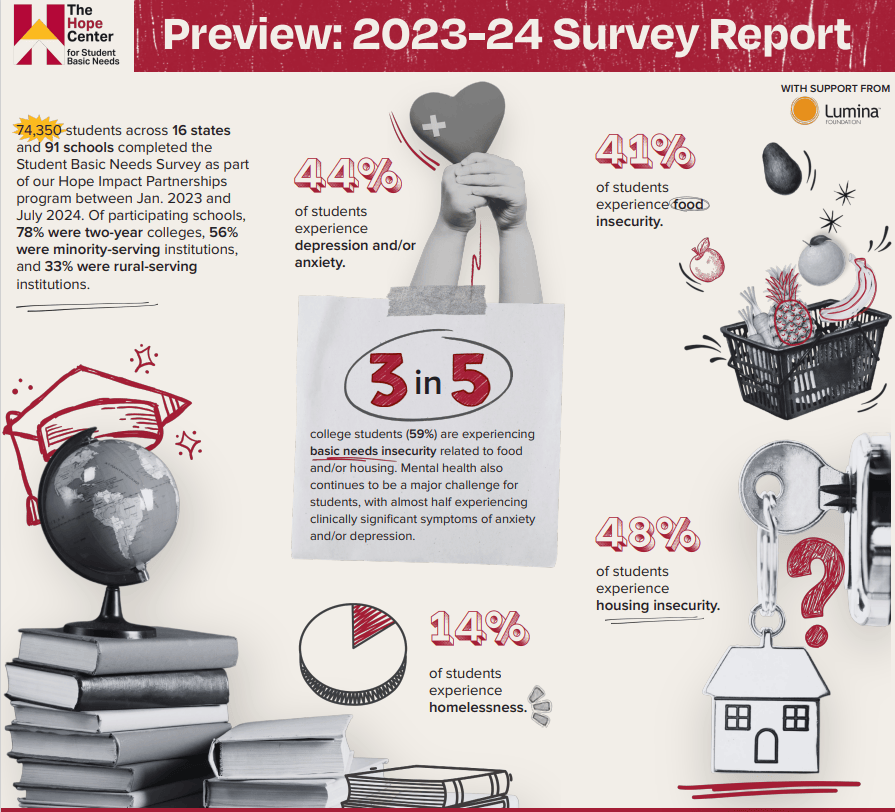
These numbers continue to trend in an alarming trajectory.  Here is nice infographic preview of the numbers for 2023-2024 from The Hope Center for Basic Needs associated with Temple University. 

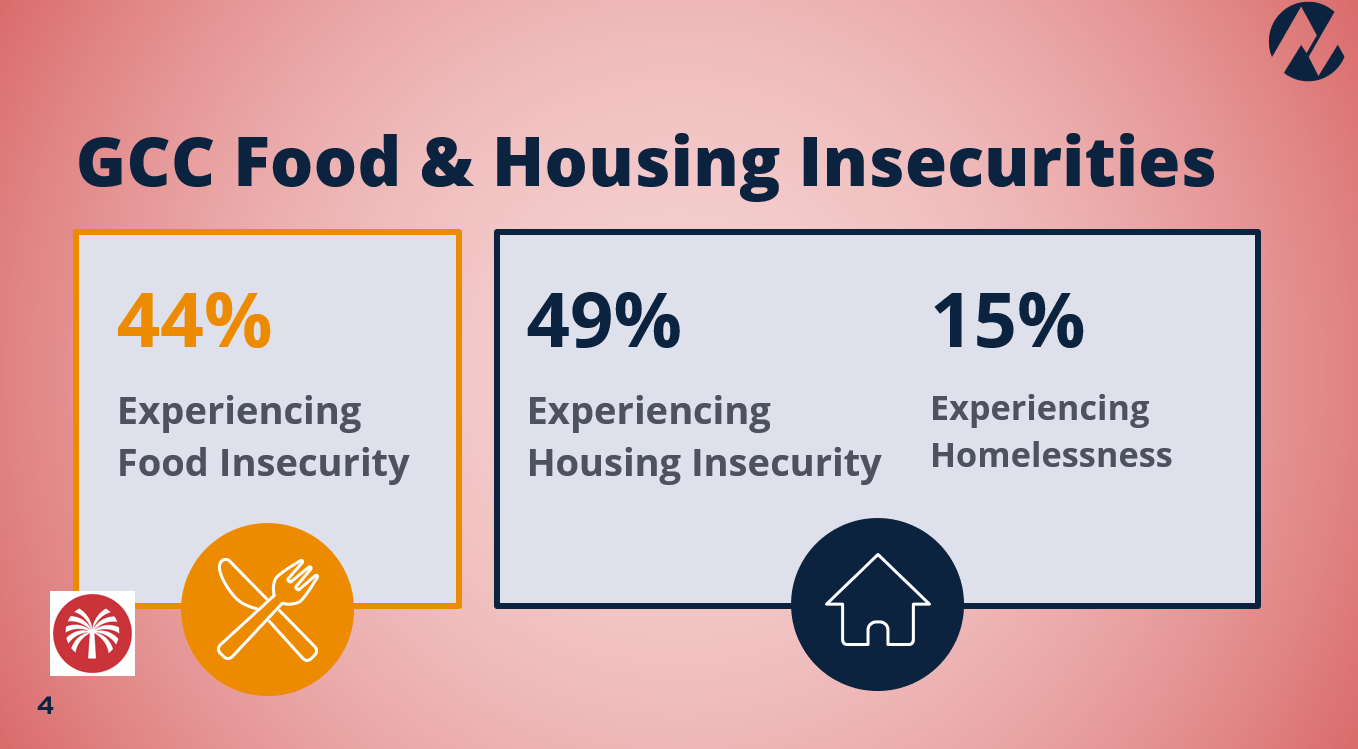
These numbers track with what we are seeing here at Glendale Community College.  In a recent “GCC College Conversations” Genesis Toole presented a detailed PowerPoint on these issues.  Two of the slides below give us some indication of the challenges our students are facing.

The problem of basic needs insecurity is significant and growing and yet, “Instructors often underestimate the extent of food security on campus and remain unaware of many students in their classrooms who can barely afford to eat.”[vi]

The GCC Basic Needs Task Force exists to spearhead the efforts to both raise awareness regarding these issues as well as move forward with specific actions and policies devoted to overcoming the challenges surrounding basic needs.  But this task force cannot do it alone.  It will take the development of a campus-wide culture of awareness and action. 

Keep your eyes and ears open for more to come from the GCC Basic Needs Task Force that will help create this culture as well as provide the resources needed to overcome the challenges of students’ basic needs insecurities.


     [i] “Food Insecurity Among College Students.” Erica P. Regan. Sociology Compass 14.6 (2020), 7.  Available online: https://compass.onlinelibrary.wiley.com/doi/abs/10.1111/soc4.12790

     [ii] Ibid., 7.

     [iii] “Still Hungry and Homeless in College.” Sara Goldrick-Rab, Jed Richardson, Joel Schneider, Anthony Hernandez, and Clare Cady. Wisconsin Hope Lab (April 2019), 5.  Available online: https://www.bhcc.edu/media/03-documents/voicesofhunger/Wisconsin-HOPE-Lab-Still-Hungry-and-Homeless-April-2018.pdf

     [iv] “University Student Food Insecurity and Academic Performance.”  Robert R. Weaver, Nicole A. Vaughn, et al.  Journal of American College Health 68.7 (2020), 727-728.  Available online: https://pubmed.ncbi.nlm.nih.gov/31063031/

     [v] Ibid., 730.

     [vi] Ibid., 732.

You Are Amazing!

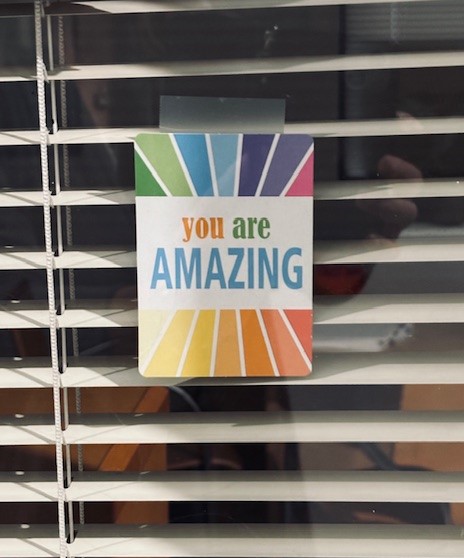
When people walk past my office, I want them to feel like they’ve encountered a space that embraces them, and that’s why the sign that says “You Are Amazing” is so important. it’s a reminder that every individual—whether they’re stopping by for a quick question or simply passing through—deserves recognition and respect. With the door open and the lights on, I try to create a space where employees and students can feel comfortable. I want my office to be a place where they know they are seen, appreciated, and heard.

Our day to day work is busy and often filled with multiple meetings and multiple competing priorities. It can be easy to get lost in tasks or feel disconnected, and sometimes we have things going on that are personal and not ‘seen’ by our colleagues. I want anyone who enters to know that their thoughts, ideas, and concerns are important, that each of us is amazing in our own way. Whether they need a listening ear or a moment of encouragement, my goal is create an office space that promotes mutual respect and understanding. The sign on my office entrance isn’t just a decoration—it’s a commitment.