
When I was flitting around as a dance major in college with dreams of becoming a Rockette, I actually was learning how to be a better teacher. Of course, I didn’t know it at the time. I was too busy washing my leg warmers and rewatching Fame and Flashdance on a VHS loop.
In my dance program, I was required to take a series of courses in choreography and Labanotation, a system for recording human movements with the use of symbols. And the one message I remember from these courses is, “Make sure you pay attention to dynamics in your choreography!”
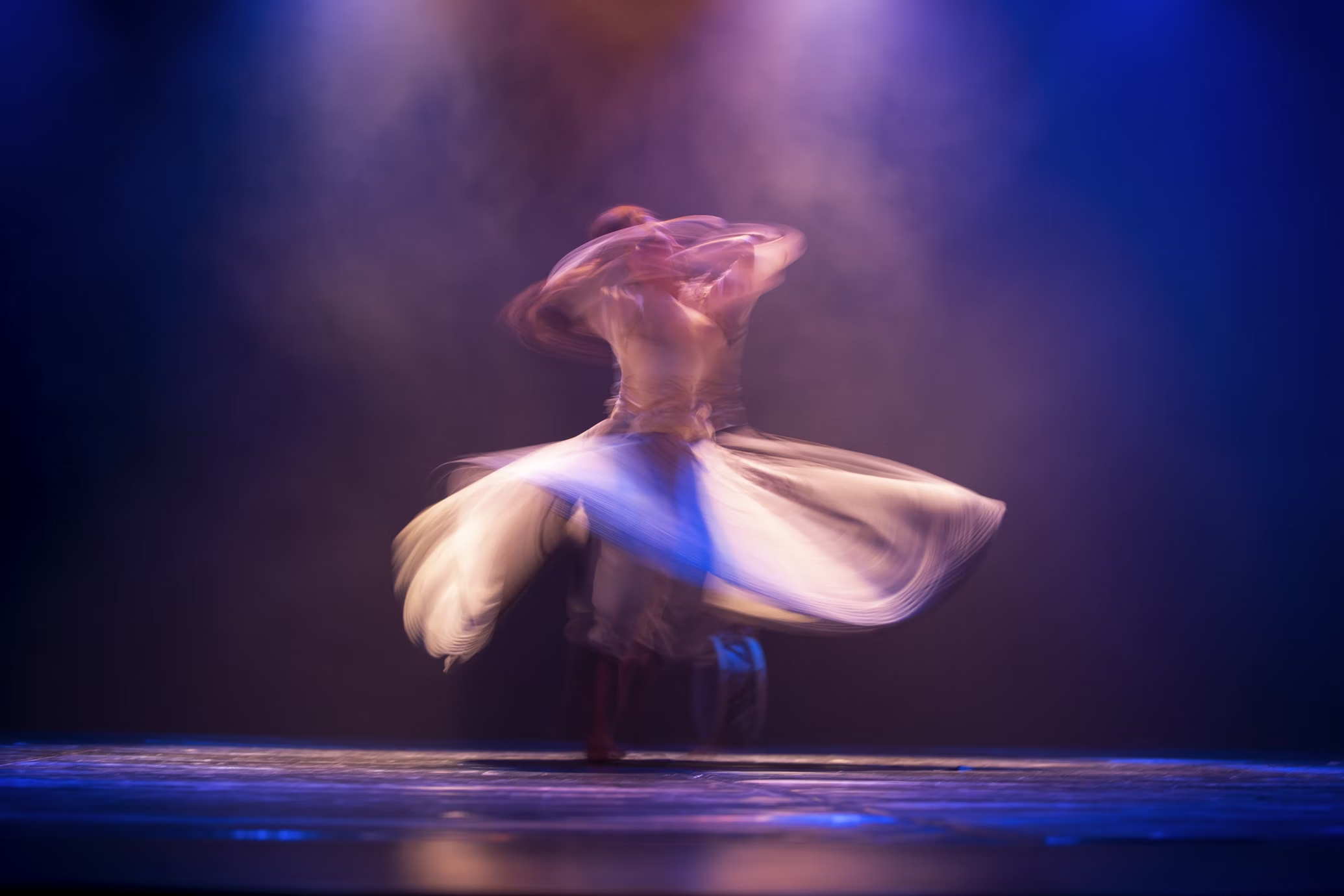
One dictionary definition of dynamics reads, “the forces or properties which stimulate growth, development, or change within a system or process.” If I could channel my dance instructors now, they would say something like this:
You want to continually shift the energy of your movements at appropriate times. You can breathe life into your performance by changing up some slow movements with perhaps a sudden stop, followed by some staccato steps. Varying the type of movement, right when it is about to expire, keeps the audience on their toes, waiting to see what change will come next. Avoid monotony at all costs!
Without being consciously aware of it, I use dynamics in my teaching. In other words, I sense when the energy in the classroom needs a shift. I realize that attention spans are fickle, and a change in the volume of my voice or the speed of my speech can be indicators of such a shift. Or, when I move around the room, the tempo of my students’ cognitive processing is altered. (Even more so when I dance through the aisles.)
Six main movement qualities are used to describe dynamics in dance. These qualities include swinging, suspended, vibratory, sustained, percussive, and collapsed. In a lesson, I may swing from one topic to the next and then suspend the momentum with a question. The students might engage in a physical demonstration that involves vibratory or percussive movements, and then collapse in laughter when we’re done.
Another form of dynamism is changing how students are processing information in the lesson. An example of this is the 10:2 rule: For every 10 minutes of lecture, give students at least two minutes to process the information in a different way, perhaps through conversations with classmates or a physical activity. (For more information on the 10:2 strategy, see this Teaching Tip.)
Deciding to change up your lesson with different dynamic activities is the easy part. Knowing when to make the change in dynamics is trickier. In dance, the choreographer has to decide how long to perform a certain type of movement before a change is needed. That sensitivity to when something has gone on too long – AKA the ability to read the energy in the room – is an essential teaching skill.
It is said that teachers are many things, and the title “choreographer” can be added to that list. Part of the art of teaching involves creating a dynamic flow to our lessons. We can envision the dynamics of our lessons like a balloon that needs to be kept aloft. Sometimes a small tap is all that is needed, and at other times we have to dive for the save. But all the while there is an energetic and unpredictable bouncing of the balloon that captures and sustains our attention.